Texting Service for Nonprofits: How to Choose the Right One (2026 Guide)


Picking a texting service for nonprofits sounds simple. Then you start looking, and every platform claims to be the best. Some are built for big retail brands. Some are cheap but break the rules. A few are made for nonprofits like yours.
The wrong choice costs more than money. It can get your messages blocked, hurt your reputation, and annoy the supporters you worked hard to win. The right choice helps you reach people, raise more, and build trust.
This guide walks you through what a nonprofit texting service actually is, the features that matter, and the questions to ask before you sign up.
What is a texting service for nonprofits?
A nonprofit texting service — also called nonprofit text messaging or a texting platform for nonprofits — is a tool that lets your organization send and receive text messages with supporters at scale. Instead of texting from your own phone, you use a platform built for groups, rules, and reporting.
A good one handles:
- Mass texting — one message to many people at once
- Peer-to-peer texting — volunteers send personal texts, one by one
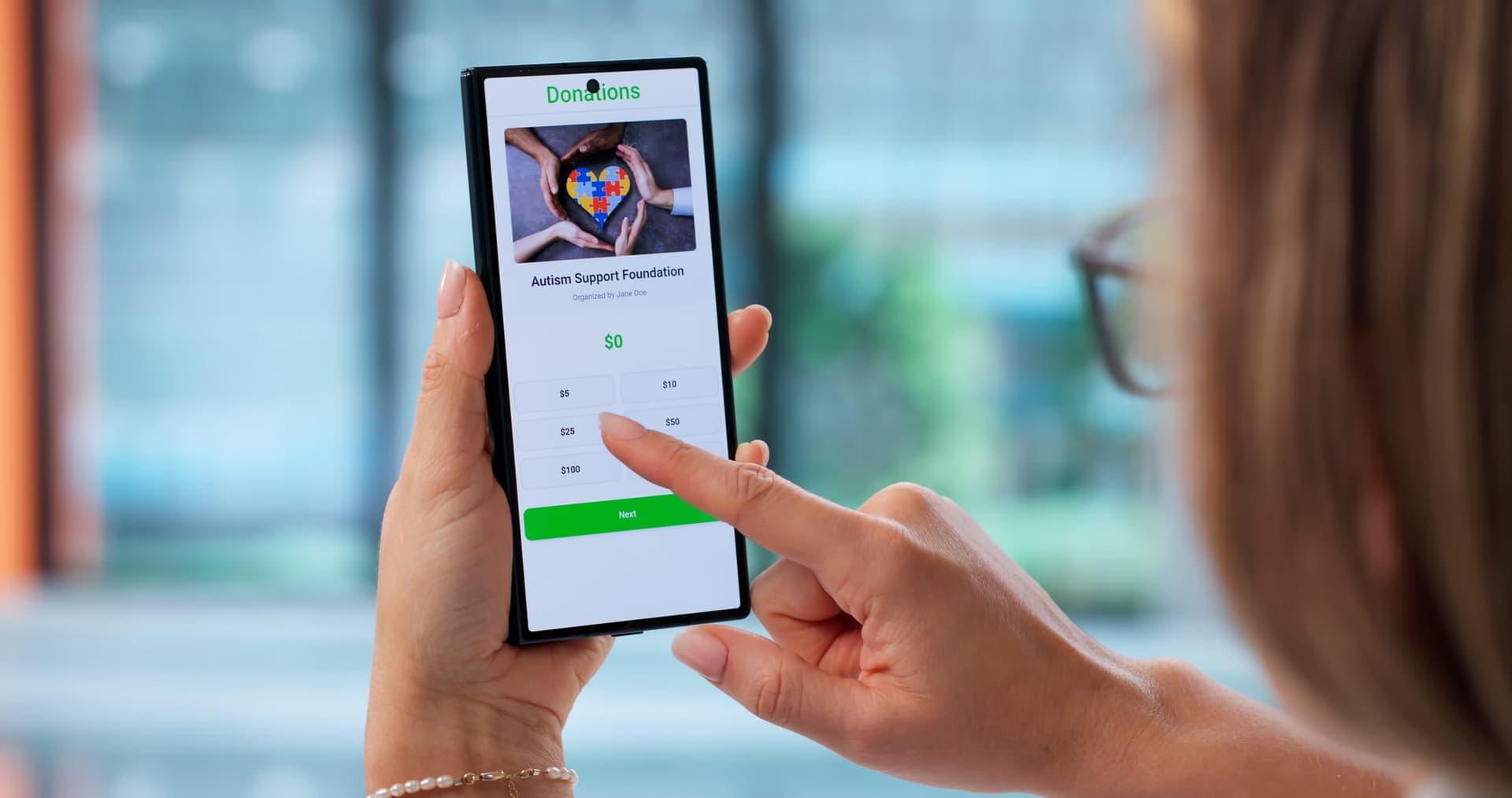
- Text-to-give — donors give by replying to a text
- Two-way conversations — so you can answer questions, not just broadcast
- Compliance — keeping you inside the law and carrier rules
The key word is built for nonprofits. General business texting tools can work, but they often miss the things that matter most to mission-driven groups: clean opt-in practices, donor-friendly giving flows, and pricing that fits a tight budget.
Why a nonprofit texting service is different from a regular one
Texting is the most personal channel you have. Open rates sit around 98%, and most people read a text within minutes. That power comes with responsibility.
In the United States, texting is governed by the TCPA (a federal law) and by carrier rules called A2P 10DLC. In plain terms: you must have permission before you text someone, and you must register your campaigns with the phone carriers. Skip these steps and your messages get filtered, blocked, or flagged as spam. (We cover this in depth in our guide to nonprofit texting compliance.)
Nonprofit-focused platforms build these rules into the product. They guide you through getting clear consent, registering correctly, and keeping records. A bargain tool that ignores compliance is not a deal. It is a risk to your sender reputation and your donors' trust.
Permission first, always. A supporter who chose to hear from you is worth far more than a phone number you bought or scraped. Permission-based texting protects your reputation and gets better results.
7 features to look for in a texting service for nonprofits
Use this as your checklist when you compare a nonprofit texting service to its competitors.
- Built-in compliance. The platform should help you collect opt-ins, handle opt-outs, and manage A2P 10DLC registration. Ask them to show you how.
- Text-to-give and mobile giving. Look for a giving flow that takes the fewest taps possible. Every extra step loses donors.
- Peer-to-peer texting. This lets volunteers send personal, one-to-one messages at scale. It is one of the strongest tools for events and campaigns.
- Two-way messaging. You should be able to reply to people, not just blast them. Real conversations build real relationships.
- Segmentation. Send the right message to the right group — new donors, lapsed donors, volunteers, event guests.
- Reporting. You need to see delivery rates, replies, clicks, and gifts. If you cannot measure it, you cannot improve it.
- Fair, clear pricing. Watch for per-seat fees, hidden message costs, and contracts that lock you in. Ask for the all-in cost before you commit.
Mass texting without the spam
Sometimes you do need to reach everyone at once — event day, a campaign launch, an urgent update. Mass texting for nonprofits works when it's permission-based: an opted-in list, relevant segments, and an easy opt-out. If a tool's whole pitch is volume, it will cost you relationships.
Choosing a dedicated tool for this? Start with free & low-cost texting for nonprofits.
More than fundraising: events, volunteers, urgent moments
- Event promotion: invites, reminders, and day-of logistics — texts get seen in time.
- Volunteer coordination: shift reminders and quick confirmations beat email chains.
- Urgent communication: when timing matters most, texting is the channel your people actually see.
How to choose: a simple 5-step process
- List your goals. Do you want to raise money, recruit volunteers, send reminders, or all three? Your goals decide which features matter.
- Check compliance support. Ask each vendor how they handle consent and A2P 10DLC. A vague answer is a red flag.
- Test the giving flow. Pretend you are a donor. Count the taps from text to gift. Fewer is better.
- Compare true cost. Add up the platform fee, per-message cost, and any add-ons. Compare the full picture, not the sticker price.
- Start small. Run one campaign before you go all in. See how delivery, replies, and giving actually perform.
Common mistakes to avoid
- Buying phone lists. This breaks the rules and burns trust. Grow your list with permission.
- Picking the cheapest tool. If it skips compliance, the savings are not real.
- Treating texting like email. Texts are personal. Keep them short, warm, and human.
- Texting too often. Respect the inbox. A few meaningful messages beat a flood of noise.
- Ignoring replies. When someone writes back, answer. That is where relationships grow.
Frequently asked questions
Is texting legal for nonprofits? Yes, when you do it right. You need clear permission from each person before you text them, and you need to register your campaigns under A2P 10DLC. A nonprofit-focused platform helps you stay compliant.
How much does a texting service for nonprofits cost? It varies. Most platforms charge a monthly fee plus a small cost per message. Watch for per-seat fees and contracts. Ask for the all-in price for your expected volume.
What is the difference between mass texting and peer-to-peer texting? Mass texting sends one message to many people at once. Peer-to-peer texting lets a person send individual messages one at a time, which feels more personal and works well for events and volunteer outreach.
Can we accept donations by text? Yes. Text-to-give lets supporters donate by replying to a message or tapping a link. The best tools make giving fast, with as few steps as possible.
What's the difference between nonprofit texting and mass texting?
Nonprofit texting is the whole permission-based channel — conversations, giving, updates. Mass texting is one tactic inside it: one message to many opted-in people at once.
Can a texting platform connect to our CRM?
The good ones do — that's how messages stay timely and your data stays clean. (Example: Blackbaud.)
The bottom line
The right texting service for nonprofits is the one that helps you reach supporters, follow the rules, and keep giving simple. Start with your goals. Check compliance first. Test the donor experience yourself. Then start small and grow from what works.
If you'd rather not piece it together yourself, Rally is a full-service texting service for nonprofits — see how our full-service option works, or view pricing.
Heads up: we make texting software, not legal rulings. This is general info, not legal advice — rules shift and every org is different, so verify the current TCPA/A2P 10DLC requirements and check with an attorney before you act. That said, book a call with us, and we'll loop in our compliance team to help. They do it all day, every day.
About the Author

James Martin is founder of Rally Corp, helping nonprofits mobilize supporters with human-centered text messaging and mobile engagement. With 20+ years in marketing, he shares insights on the Your Rally Point Podcast and rallycorp.com.