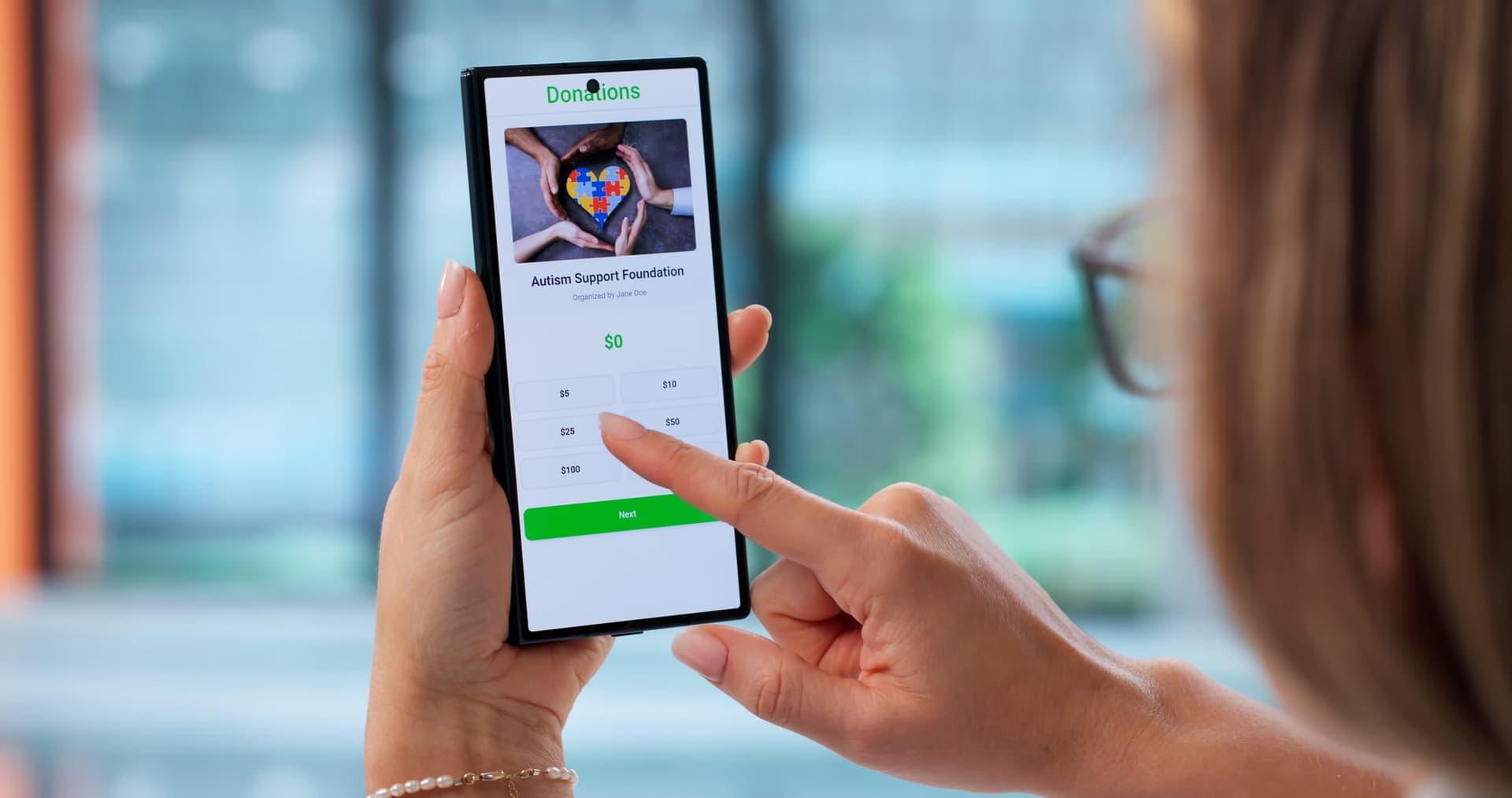
Peer-to-Peer Fundraising: How to Turn Supporters Into Fundraisers


The most trusted voice in fundraising isn't yours. It's your supporter's — the friend who says, "This cause matters to me. Will you chip in?" Peer-to-peer fundraising is how you put that voice to work.
Sometimes the hardest thing to do is ask for money, especially from a stranger. What makes it easier is a relationship. We move at the speed of trust, so when someone already knows, likes, and trusts the person doing the asking, they move a lot quicker, and the fear of the ask falls away.
That's the whole engine of peer-to-peer. The best person to introduce your cause to a new donor isn't you. It's the friend or family member already in that donor's tight circle. When you raise through a network of supporters, and each one has their own circle six, ten, fifteen, twenty people strong, they bring new people to your cause. Not because of your logo, maybe not even because of the cause itself, but because they know and trust the person who asked.
You can't know everyone in your city. But you can equip a handful of supporters who each know a handful of others, and those people bring in more. At the end of the day, people don't give to a logo, or an organization, or sometimes even a cause. They give to people.
What is peer-to-peer fundraising?
Peer-to-peer (P2P) fundraising is when your supporters raise money on your behalf. You give each one a personal fundraising page and a simple way to share it. They reach out to their own network. The gifts roll up to you.
Instead of your organization asking thousands of strangers once, dozens of supporters each ask the handful of people who already trust them. That trust is the engine.
Why it works: reach borrowed from relationships
People give to people. A request from a known friend lands differently than a request from an unknown sender. P2P works because it travels along relationships that already exist — so your message arrives warm, not cold.
It also solves a quiet problem: supporters often want to do more than give, but you've never given them a way. A fundraising page is that way.
When to use it
- Events: runs, walks, galas, birthdays, and challenges are natural fits.
- Time-bound campaigns: Giving Tuesday, year-end, a matching window.
- Milestones: an anniversary, a building, a specific goal people can rally behind.
If there's a finish line and a deadline, P2P shines.
How text messaging keeps everyone moving
P2P lives or dies on follow-through. Most fundraising pages stall not because people refuse, but because life gets busy and the ask slips their mind. Email gets buried. Texts get seen.
Used the human way, texting keeps a campaign in motion without nagging:
- A warm welcome when a supporter signs up to fundraise.
- A nudge with their personal link when they haven't shared it yet.
- A genuine cheer when they hit their first gift or their goal.
- A simple thank-you when the campaign closes.
The goal isn't more noise. It's the right reminder at the right moment so a willing supporter actually follows through. Keep each message short and real — here's how to write short, powerful text messages.
Keep it human and permission-based
Text the supporters who signed up to fundraise — people who raised their hand, not your whole list out of the blue. Make every message useful to them (their link, their progress, their win). When supporters feel known instead of managed, they fundraise harder and come back next year.
A note on the rules: this isn't legal advice — consult counsel for your specific situation. If you'll text supporters as part of a campaign, follow opt-in best practices and let your platform handle registration and opt-outs. More in our plain-English compliance guide.
How to launch your first P2P campaign
- Pick a moment with a deadline. An event or a matching window gives people a reason to act now.
- Recruit a small team of fundraisers. Start with your most engaged supporters; you don't need hundreds.
- Make sharing effortless. Personal pages, ready-to-send messages, and a clear goal.
- Coach with texts, not guilt. Welcome, nudge, celebrate, thank.
- Debrief and thank everyone. Your fundraisers are this year's MVPs and next year's leaders.
Want a channel that keeps supporters engaged between campaigns? See our buyer's guide to texting services for nonprofits, or start with Rally.
FAQ
How is peer-to-peer different from regular fundraising?
In regular fundraising, your organization makes the ask. In P2P, your supporters make the ask to their own networks — so your reach grows through their relationships.
Do I need an event to run a peer-to-peer campaign?
No, but a deadline helps. Events, matching windows, and year-end pushes all give supporters a reason to act now.
Where does texting fit in?
Texting keeps fundraisers moving — a welcome, a nudge with their link, a celebration, a thank-you — without burying the message in an inbox.
Isn't texting supporters annoying?
Only if it's noise. Text people who opted in, keep it about them, and every message earns its place.
How many fundraisers do I need to start?
Fewer than you think. A small, engaged team usually out-raises a big, lukewarm list.
About the Author

James Martin is founder of Rally Corp, helping nonprofits mobilize supporters with human-centered text messaging and mobile engagement. With 20+ years in marketing, he shares insights on the Your Rally Point Podcast and rallycorp.com.