What’s a Slug and Why Use One for Your Shortlinks?


If you’ve ever used a short link service or a custom domain for sharing links, you might have heard the term "slug" thrown around. But what exactly is a slug, and why does it matter?
A slug is basically the part of a URL that comes after the domain and the slash. For example, in the shortlink giv.now/BRAD, the domain is giv.now and the slug is BRAD. This little snippet of text is what makes the link unique and meaningful. It turns a generic short URL into something memorable and user-friendly.
Why Use a Slug?
Well, for one, slugs are all about customization. When you’re running a fundraising campaign or sharing a specific resource, having a meaningful slug—like an event name, a campaign keyword, or a catchy phrase—helps people remember and trust the link.
Slugs are all about customization and clarity. When you’re running a fundraising campaign or sharing a specific resource, having a meaningful slug makes your link:
- recognizable
- trustworthy
- easier to remember
- easier to type
- more likely to get clicked
So instead of sending people a random string of characters, you’re giving them a branded link they instantly understand.
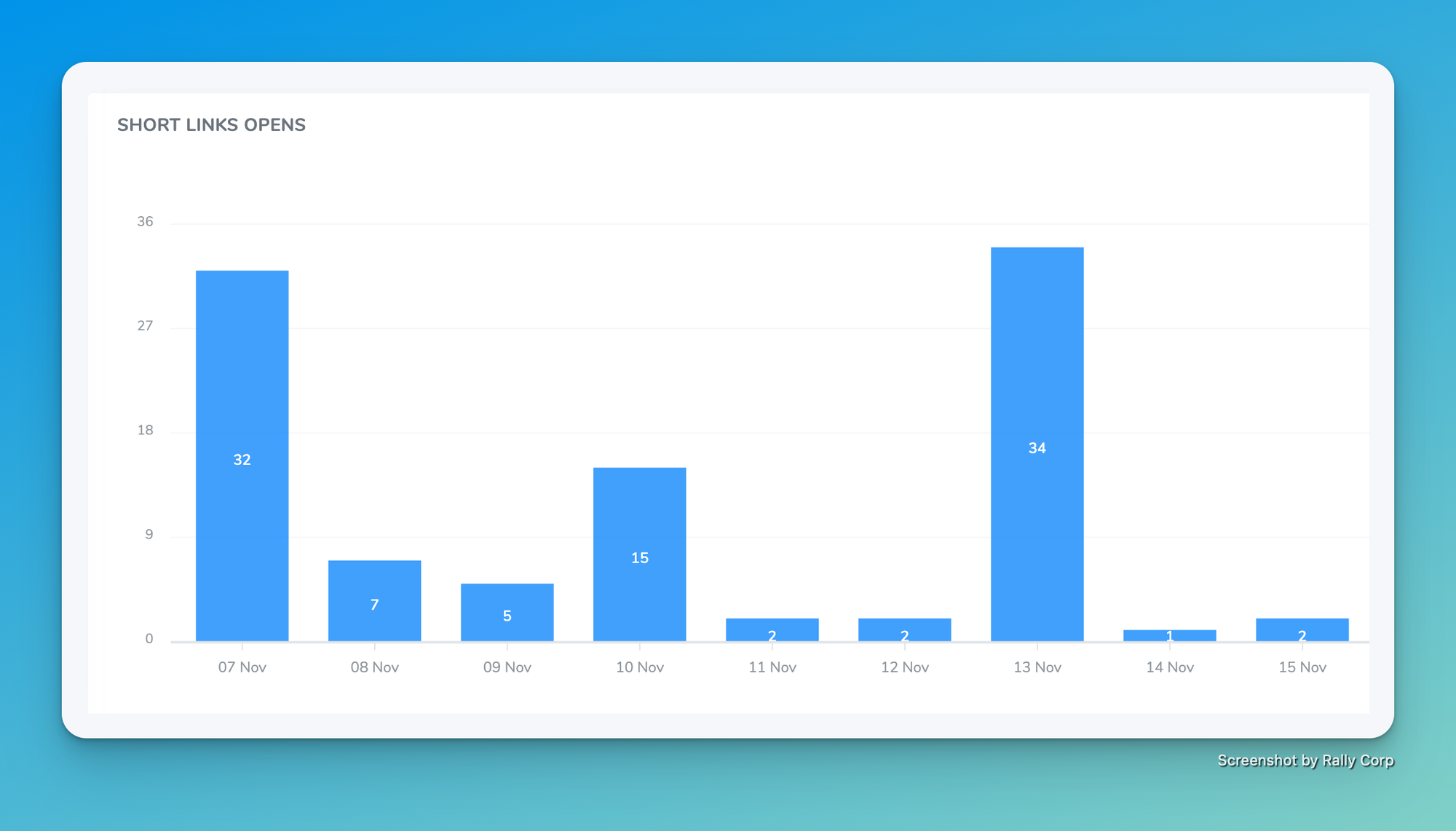
Slugs Make Campaign Tracking Easier
Plus, using a slug makes it easy to organize and track multiple links. If you have a domain like fundraiser.link and you add slugs for each specific event or donor, it becomes super simple to manage.
Using a slug also makes it simple to organize and track multiple links. For example, if you have a branded domain like:
- fundraiser.link
- giv.now
- give.yourdomain.org
You can create links like:
- fundraiser.link/gala2025
- giv.now/springdrive
- give.yourdomain.org/today
Now you have a neat, easy-to-share link that people can type or remember with ease.
So in a nutshell, a slug is just the customizable end of your URL that makes your shortlink both personal and practical. It’s a small touch that makes a big difference in your fundraising or communication strategy.
Why Slugs Matter for Fundraising & Nonprofits
Short links get shared in:
- text messages
- QR codes
- social media
- signage
- peer-to-peer campaigns
So a branded slug can increase:
- trust
- click-through rates
- conversions
- response rates
(This is exactly why our clients see higher engagement with branded short links vs. generic ones — see the CTR image in this post.)
Pro Tip: Here’s a little pro tip to wrap it up: it’s always a smart move to match your slug to the keyword or code you’re already using elsewhere. For instance, if you’re telling folks to text the word "BREAD" to 24365, you can use the slug giv.now/BREAD to keep everything consistent and super easy to remember. That way, all your calls to action are nicely tied together, making it a breeze for people to follow along and engage.
Slug Best Practices
Keep your slug:
- short
- memorable
- easy to type
- campaign-relevant
- on-brand
And avoid:
- random characters
- super long slugs
- confusing acronyms
In a Nutshell
A slug is the customizable end of your URL that makes your short link personal and practical. It’s a small touch, but it makes a big difference in your fundraising or communication strategy.
Get your slugs movin' at rallycorp.com. Happy link sharing!
About the Author

James Martin is founder of Rally Corp, helping nonprofits mobilize supporters with human-centered text messaging and mobile engagement. With 20+ years in marketing, he shares insights on the Your Rally Point Podcast and rallycorp.com.