Stop Renting SMS Lists in 2026 (Even If You’re Using Peer-to-Peer Texting)


Let’s be clear:
Renting or sharing SMS lists is not okay in 2026.
Not legally. Not ethically. And not strategically.
Some organizations still think they can get around this by using peer-to-peer texting (P2P). They assume that if a human presses send, the rules are softer.
They aren’t.
If the person you’re texting did not clearly opt in to hear from your organization, you are sending a message they did not ask for. That’s the problem. And P2P does not fix it.
Consent Is Not Transferable
When someone joins an SMS list, they are giving permission to one specific organization.
That permission is not transferable.
You cannot buy it. You cannot rent it. You cannot borrow it from a partner. And you cannot inherit it just because another group collected it first.
If a list vendor says their contacts are “opted in,” what they really mean is:
Those people opted in to someone else.
From the recipient’s point of view, your message still feels like spam. And regulators and carriers increasingly agree.
This is not just best practice. It is a legal requirement under the Telephone Consumer Protection Act (TCPA), which requires prior express consent before sending marketing text messages. The FCC and wireless carriers enforce this standard strictly.
Why This Matters More in 2026
The mobile ecosystem is stricter than it was a few years ago.
Carriers now watch complaint rates closely. When people mark messages as spam or opt out in large numbers, networks respond fast. That can lead to:
- Message blocking
- Campaign shutdowns
- Number suspension
- Steep fines
- Damage to your reputation
Wireless carriers follow industry rules that emphasize permission-based messaging and spam prevention. Campaigns that generate complaints or lack proper consent can be filtered or suspended under CTIA messaging standards.
Once that happens, it is hard to recover.
Even if you believe your message is helpful, the system judges behavior, not intentions. Cold texting rented lists almost always produces poor signals.
The P2P Myth
Peer-to-peer texting is a tool, not a loophole.
Yes, P2P can be great for conversations with people who already know you. It works well for follow-ups, support, and relationship building.
What it does not do is turn strangers into subscribers.
If you load a rented list into a P2P tool and start messaging, you are still texting people who did not ask to hear from you. The delivery method does not change the consent problem.
And when complaints rise, carriers do not care whether the message was automated or sent by a human. They care that users are unhappy.
Rented Lists Hurt Performance Anyway
Beyond compliance, rented lists are bad marketing.
People who never asked to hear from you are less likely to:
- Reply
- Click
- Donate
- Trust your brand
They are more likely to ignore you or opt out.
That means you pay for outreach that produces weak results while increasing your risk. It is a poor trade.
Owned opt-in lists behave differently. When people choose to join, engagement rises and complaints fall. The math improves in every direction.
What Actually Scales in SMS Marketing (Safely)
There are a couple of strategies that work very well and reduce risk.
Option 1: Build your own permission-based audience.
That means inviting people to opt in directly, through places where they already interact with you:
- Website and landing page forms
- Events and registrations
- Donation or checkout flows
- QR codes and keyword sign-ups
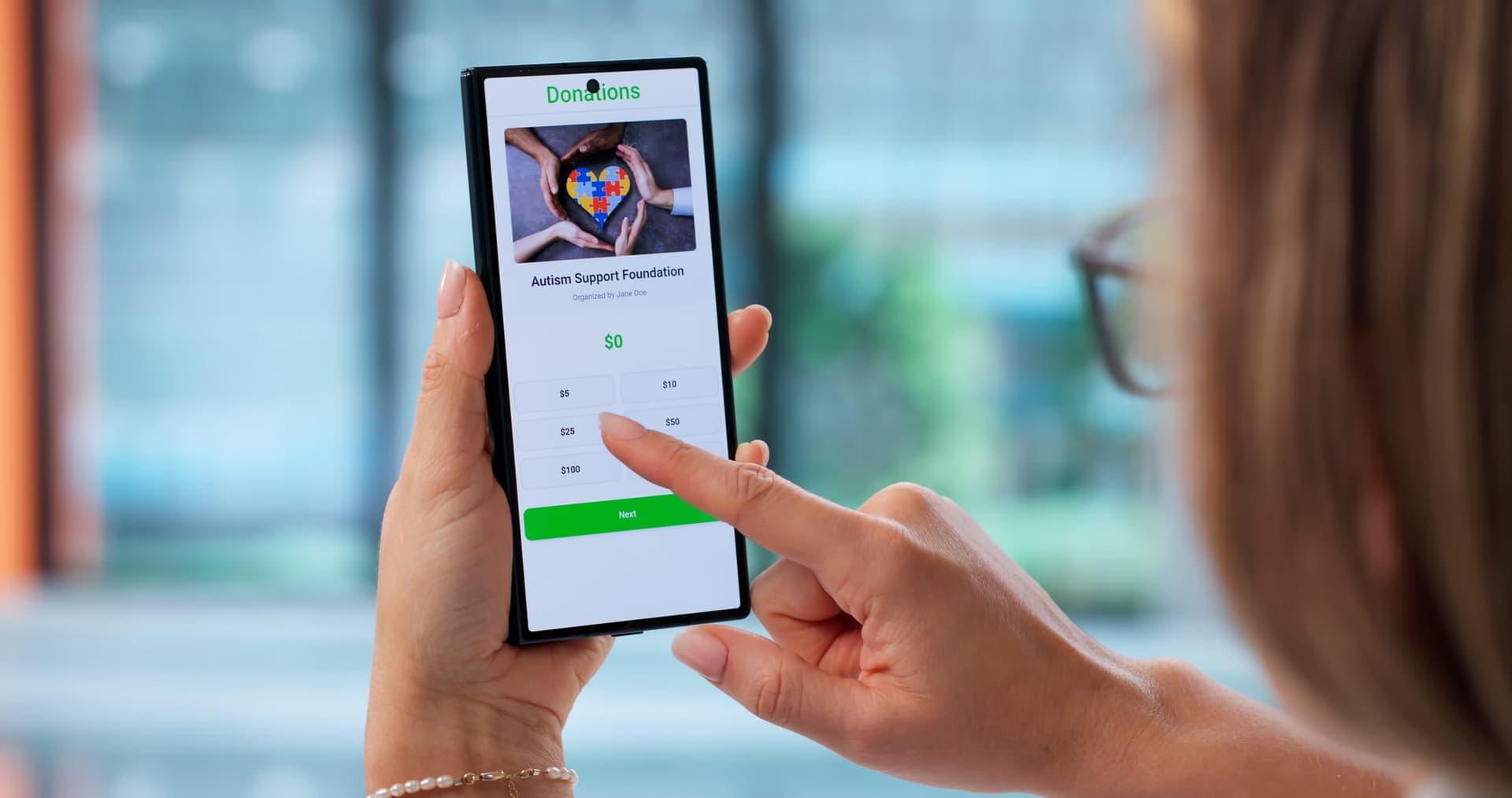
If you want to see real examples, you can view working demos of modern opt-in forms and one-click widgets here:
These examples show how easy it can be for supporters to opt in with a single tap.
When people actively choose to hear from you, your outreach is expected — not intrusive. Deliverability improves. Engagement improves. Risk drops.
Yes, this takes more effort than buying a list. But it creates an audience you actually own. And over time, that audience performs better and costs less to maintain.
Option 2: Grow Together (Without Sharing Lists)
Aligned organizations can still collaborate on growth — without renting or pooling databases.
A good model comes from newsletter platforms like Substack. When someone subscribes, they choose exactly which publications to follow. Each one is clearly named. Each requires its own click.
SMS programs can work the same way.
Instead of sharing a hidden list, present supporters with a simple chooser: a carousel or list of partner organizations, each with its own checkbox, identity, and terms. Supporters opt in to each organization separately.
No shared databases. No vague partner language. Just clear, individual choices.
This keeps consent tied to the sender while allowing like-minded organizations to grow side by side.
Rally Corp has a number of partners who do this extremely well, and it's mind-boggling how many opt in across multiple organizations when the affinity is strong.
Take a Clear Position
If your organization is serious about mobile outreach, draw a hard line:
We only text people who asked to hear from us.
No rented lists. No shared databases. No gray areas.
That is being human-centered.
Peer-to-peer texting can be a powerful way to deepen real relationships. But it should sit on top of consent, not replace it.
In 2026, permission is not optional. It is the foundation of effective SMS communication.
If you want help designing a strategy that grows your list the right way, let’s talk:
https://www.rallycorp.com/demo
About the Author

James Martin is founder of Rally Corp, helping nonprofits mobilize supporters with human-centered text messaging and mobile engagement. With 20+ years in marketing, he shares insights on the Your Rally Point Podcast and rallycorp.com.