
Text to Give: A Simpler Way to Give From Your Phone

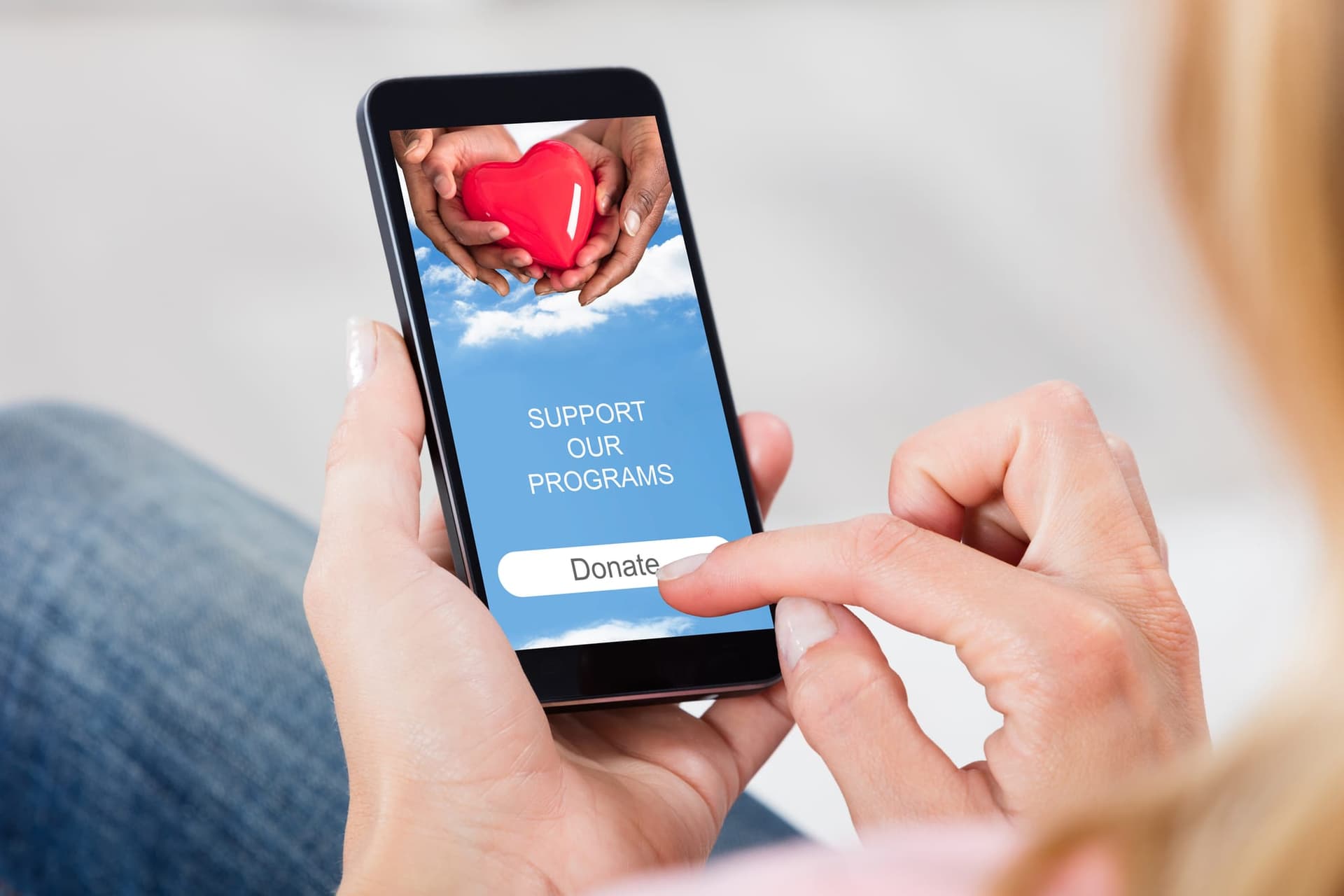
Most people decide to give in a moment. A story moves them, a friend asks, a need becomes real. The question is whether giving is easy enough to catch that moment before it passes.
Text to give is built for exactly that. A supporter sends a short word to a number, taps a link, and gives in seconds, right from the phone that's already in their hand.
I built text to give around a simple truth: people give in the moment, not on our schedule. A few years back I watched a woman at an event pull out her phone in the parking lot, text a keyword, and give before she even reached her car. She wasn't waiting for our year-end appeal. She was moved right then, and the technology finally got out of her way. That stuck with me. So much giving is lost in the gap between "I want to help" and "I'll do it later," which usually means never. Our whole job is to close that gap. Not with pressure, but with permission and ease. When you make it simple for someone to act on a good impulse, you honor why they care in the first place. That's the heart of text to give, and it's why we keep it human.
What "text to give" actually means
Text to give (sometimes called text-to-donate) lets a supporter start a gift with a simple text message. You share a keyword and a number. They text it. They get back a secure link to a short giving form. That's it.
It works because it meets people where they are, on their phone, in the small windows of a busy day, instead of asking them to find a laptop, dig up a checkbook, or remember to give later (they won't).
How it works, step by step
- You pick a keyword and number. Something short and on-brand, like HOPE or CCAB.
- You invite people to text it. From the stage, in an email, on a slide, in a thank-you.
- They text the keyword. They instantly get a friendly reply with a secure giving link.
- They give in seconds. The form is short and mobile-first. No app, no account.
- You follow up like a human. A real thank-you, not a receipt that reads like a robot wrote it.
Why it works: easy beats clever
Supporters aren't tuning you out because they stopped caring. They're tuning you out because everything is competing for the same few seconds of attention. Text to give wins those seconds by removing friction at the exact moment someone wants to act.
And it keeps the relationship human. A gift is the start of a conversation, not the end of a transaction, so the goal is for supporters to feel known, not marketed to.
Keep it permission-based
Text to give is opt-in by design: the supporter texts you first. That's the whole point. You're showing up because you were invited, not blasting a list out of the blue. Treat every number like a relationship you'd hate to lose, and you'll keep it.
This is not legal advice — consult counsel for your specific situation. Texting in the U.S. is governed by rules like the TCPA and carrier A2P 10DLC registration. A good platform handles the heavy lifting (registration, opt-out management) so you can stay compliant without becoming a lawyer. See our plain-English guide to nonprofit texting compliance.
What does text to give cost?
Pricing depends on how many messages you send and the features you need. The honest short answer: most nonprofits can start small and scale up, and the math usually beats print and postage for the same reach. For current plans and what's included, see our pricing page. If budget is the worry, start here: free and low-cost texting for nonprofits.
How to get started
- Pick one upcoming moment, an event, an appeal, a Giving Tuesday push.
- Choose a keyword and write a short, warm invitation to text it.
- Draft your auto-reply and your thank-you before you launch. (Short and human: see how to write short, powerful text messages.)
- Already on Blackbaud? Here's how Rally connects with Blackbaud.
- When you're ready, start with Rally.
FAQ
Is text to give the same as text to donate? Yes. They're two names for the same idea: starting a gift with a text message.
Do supporters need an app? No. They text a keyword and tap a secure link. No app, no account, no friction.
Is it secure? Giving happens on a secure, mobile-first form. You're never asking people to send card details over plain text.
Do we need consent to text people? With text to give, the supporter texts you first, which is the cleanest form of permission. For ongoing messaging, follow opt-in best practices. (Not legal advice. See the compliance guide.)
Will this annoy our donors? Not if you keep it permission-based and human. You're not in the business of irritating the people who believe in your mission. Text only people who asked to hear from you, and make every message worth the buzz.
About the Author

James Martin is founder of Rally Corp, helping nonprofits mobilize supporters with human-centered text messaging and mobile engagement. With 20+ years in marketing, he shares insights on the Your Rally Point Podcast and rallycorp.com.


